Beautiful Australian Sapphires
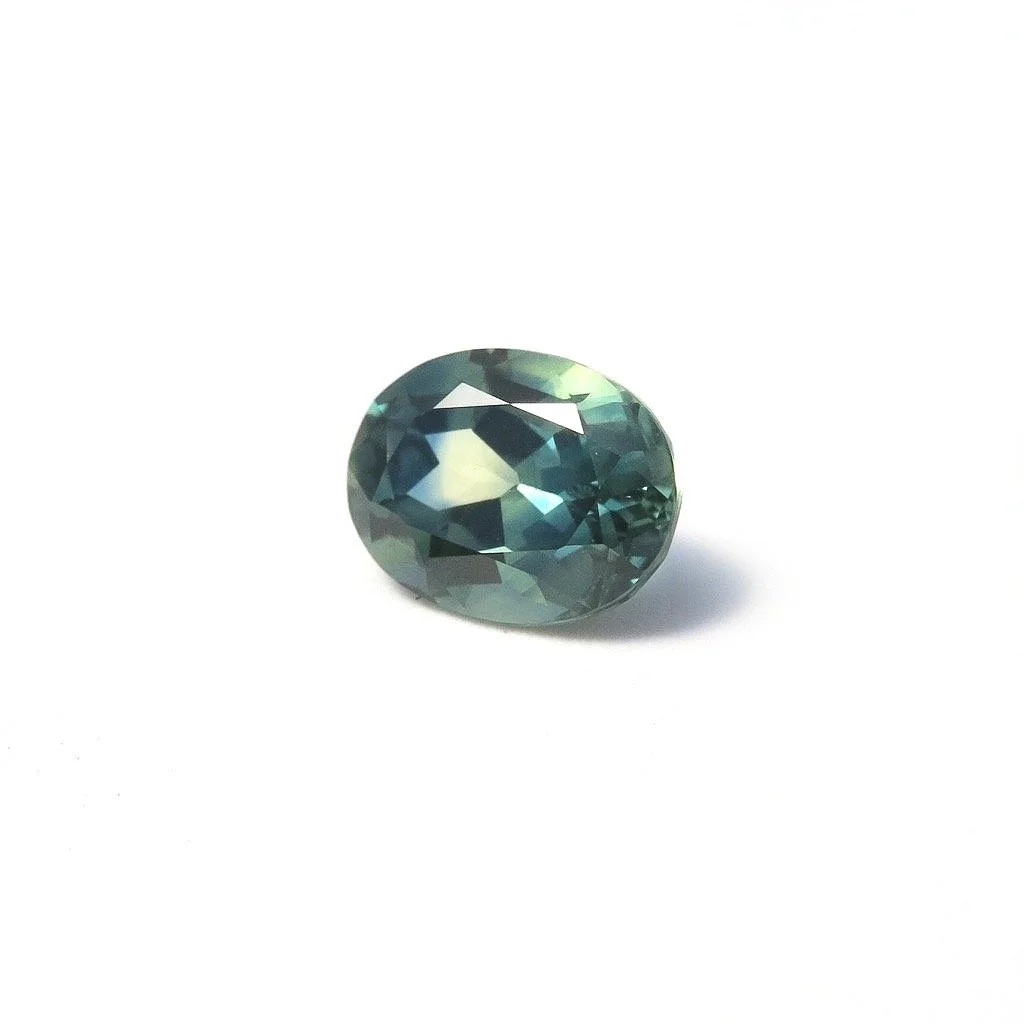
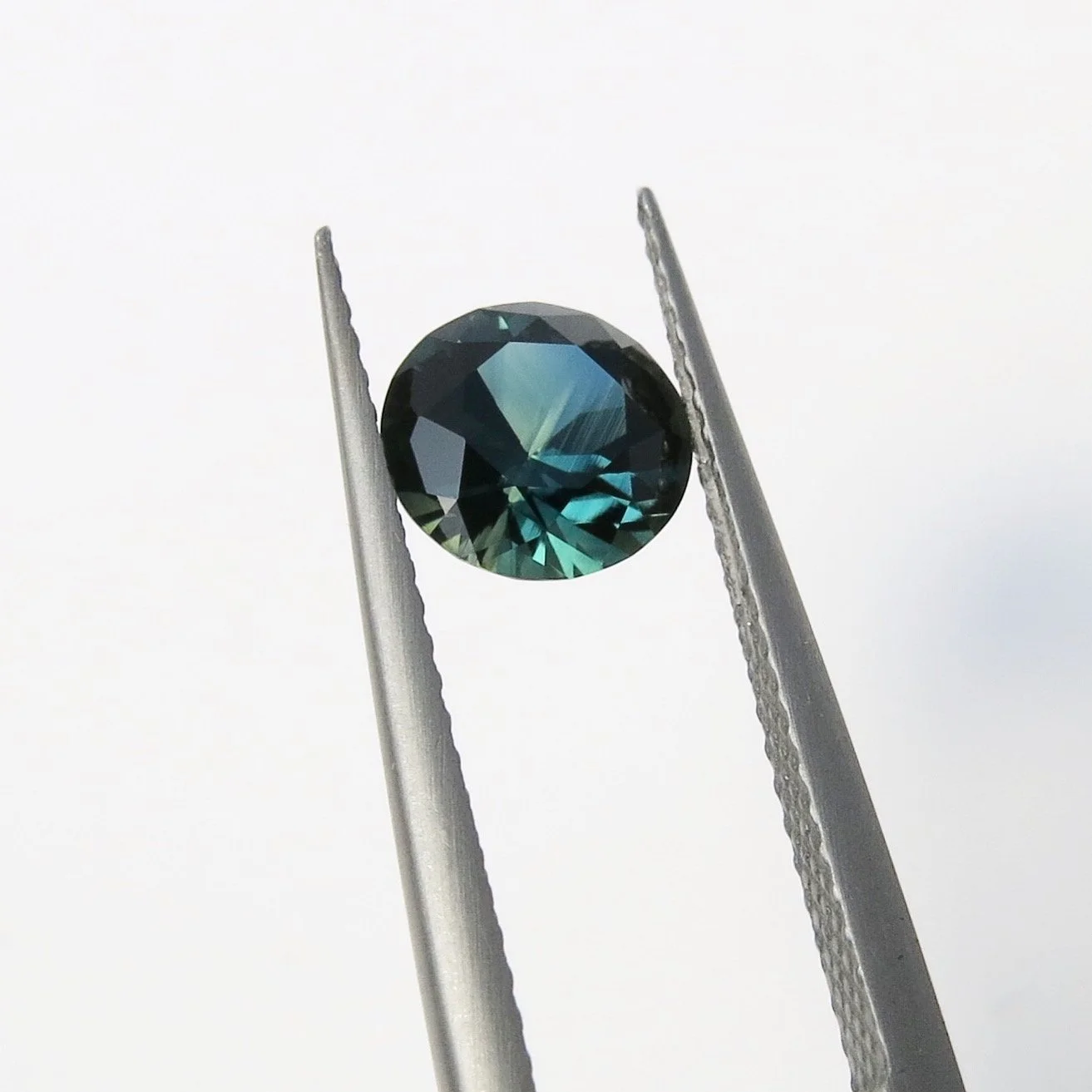
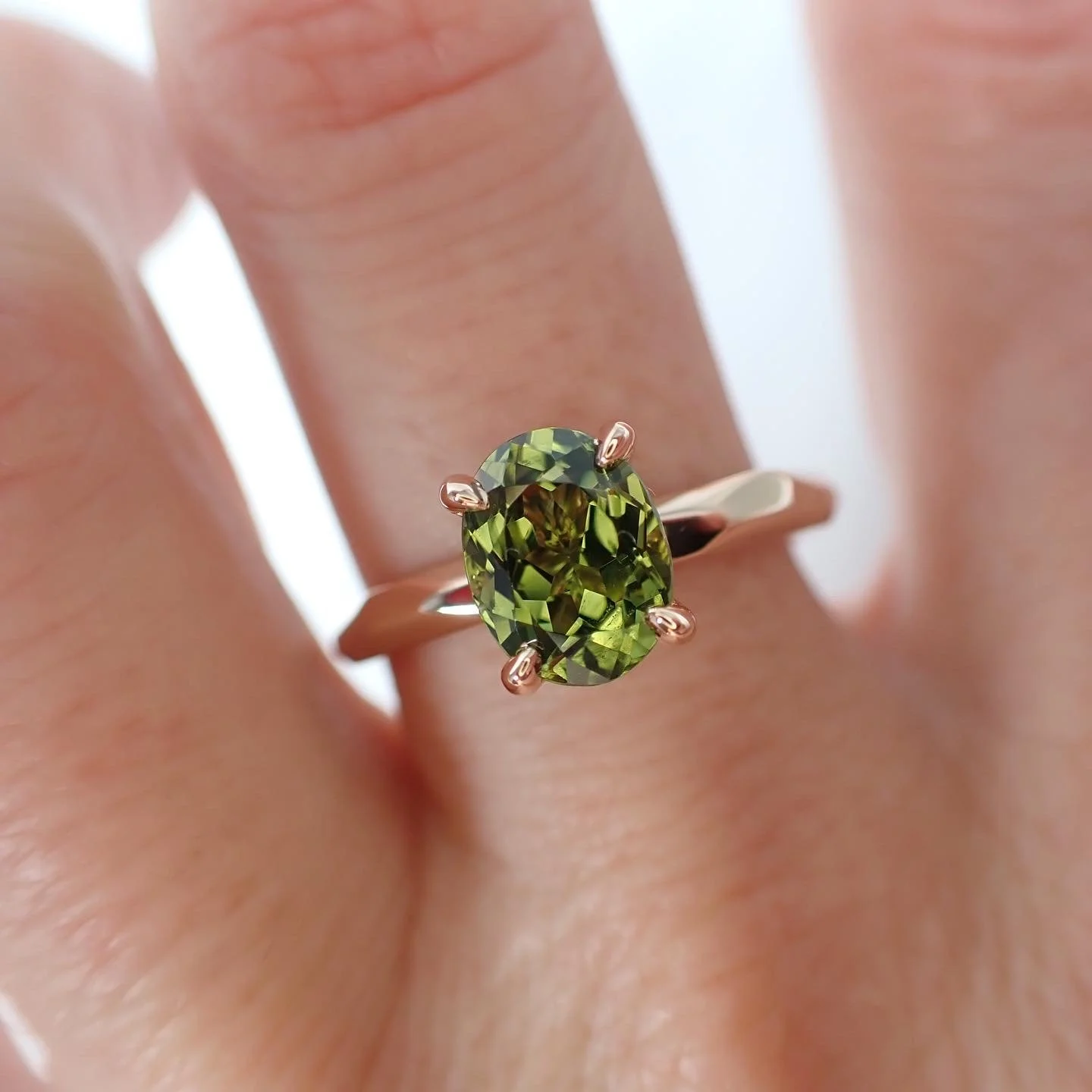
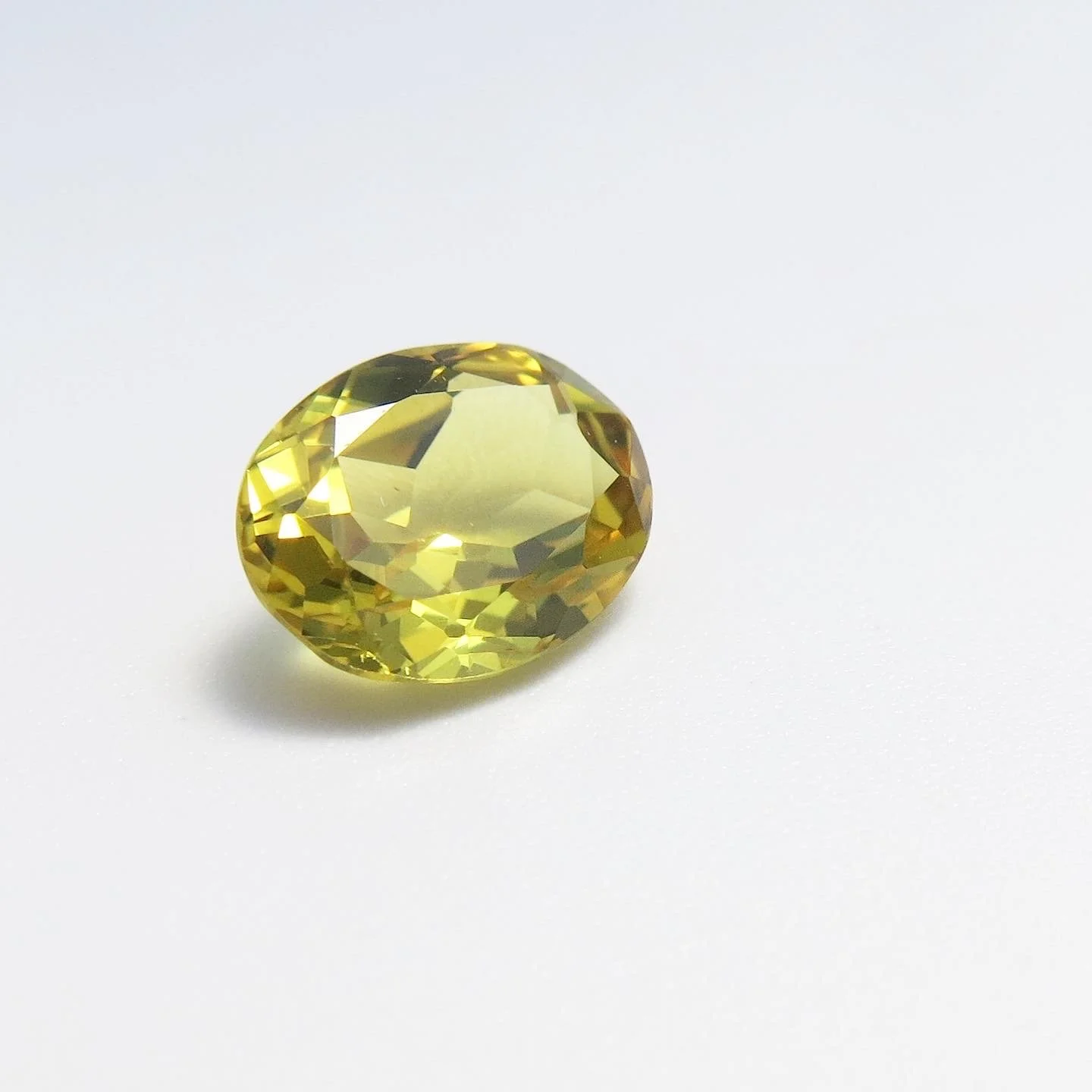
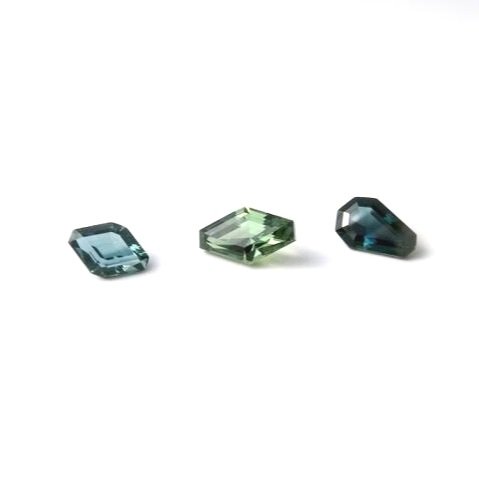
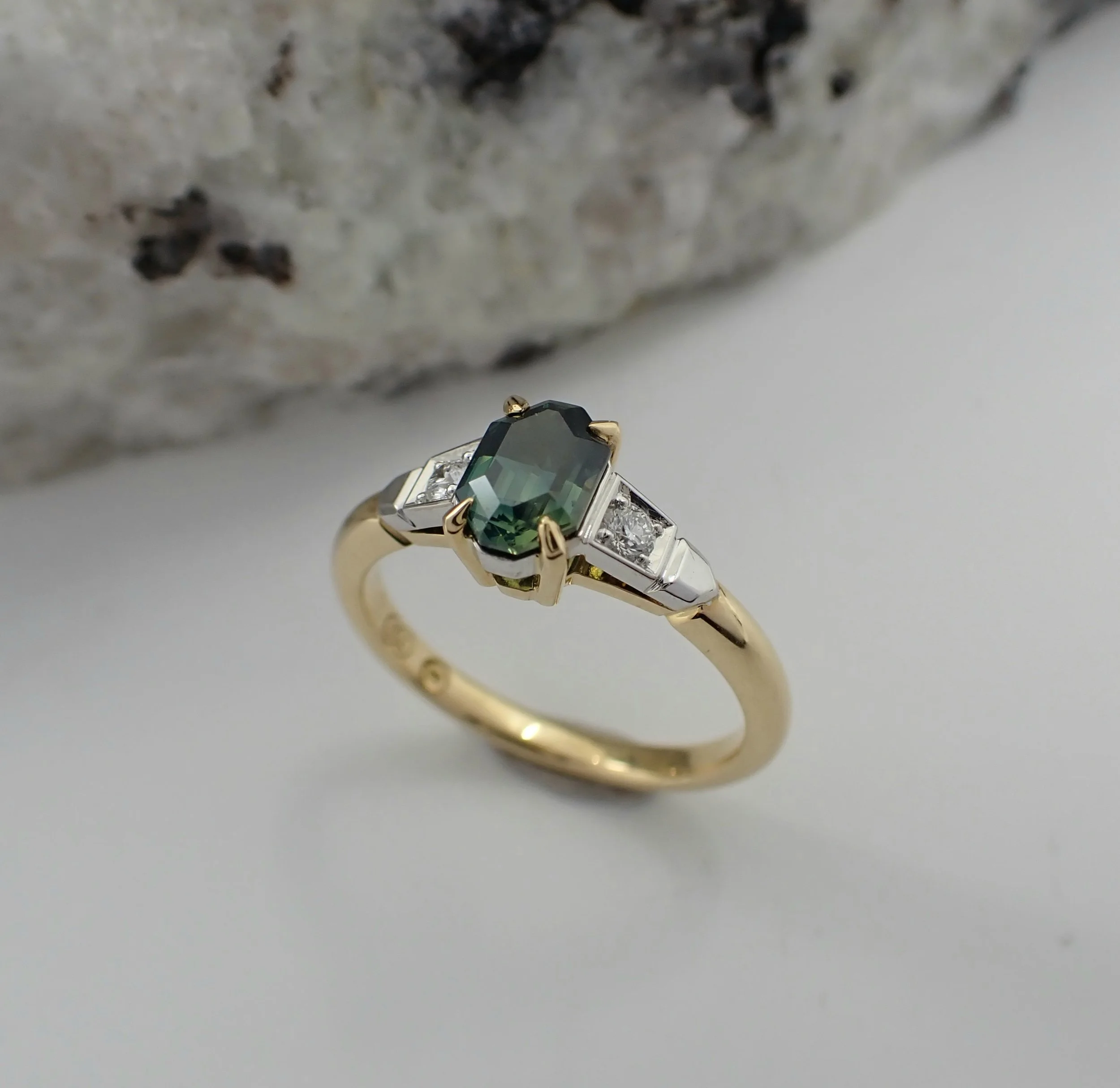
Australian sapphires are highly regarded for their quality and come in a range of jaw-dropping colours, making them popular in modern jewellery. Have you thought about using an Australian Sapphire in place of a diamond? They make an excellent choice for a modern engagement ring, and get the tick of approval for ethical and more sustainable sourcing.
Here's some information about the properties, colours, and sources of Australian sapphires:
Properties:
Mineral Composition: Australian sapphires are composed of the mineral corundum, which is an aluminium oxide (Al2O3).
Hardness: Sapphires, including Australian ones, are among the hardest gemstones on the Mohs scale, with a rating of 9. This makes them highly durable and suitable for everyday wear. For comparison, Diamonds are a 10 on the Mohs scale.
Lustre: They have a vitreous to adamantine lustre, which gives them a brilliant shine.
Transparency: Australian sapphires can be transparent to translucent, with the finest specimens being nearly or entirely transparent.
Clarity: Inclusions and flaws are common in sapphires, but they can vary in visibility. Some Australian sapphires are known for their excellent clarity. Some specimens also have beautiful inclusions that can add to their charm, such as silk inclusions, or colour banding.
Cut: Australian sapphires are often locally cut by skilled cutters, into various shapes and styles to showcase their colour and brilliance. Smaller raw material is usually cut overseas, to keep the overall costs down. The way in which a Sapphire is cut, can make all the difference in how it sparkles and the dominant colour it presents.
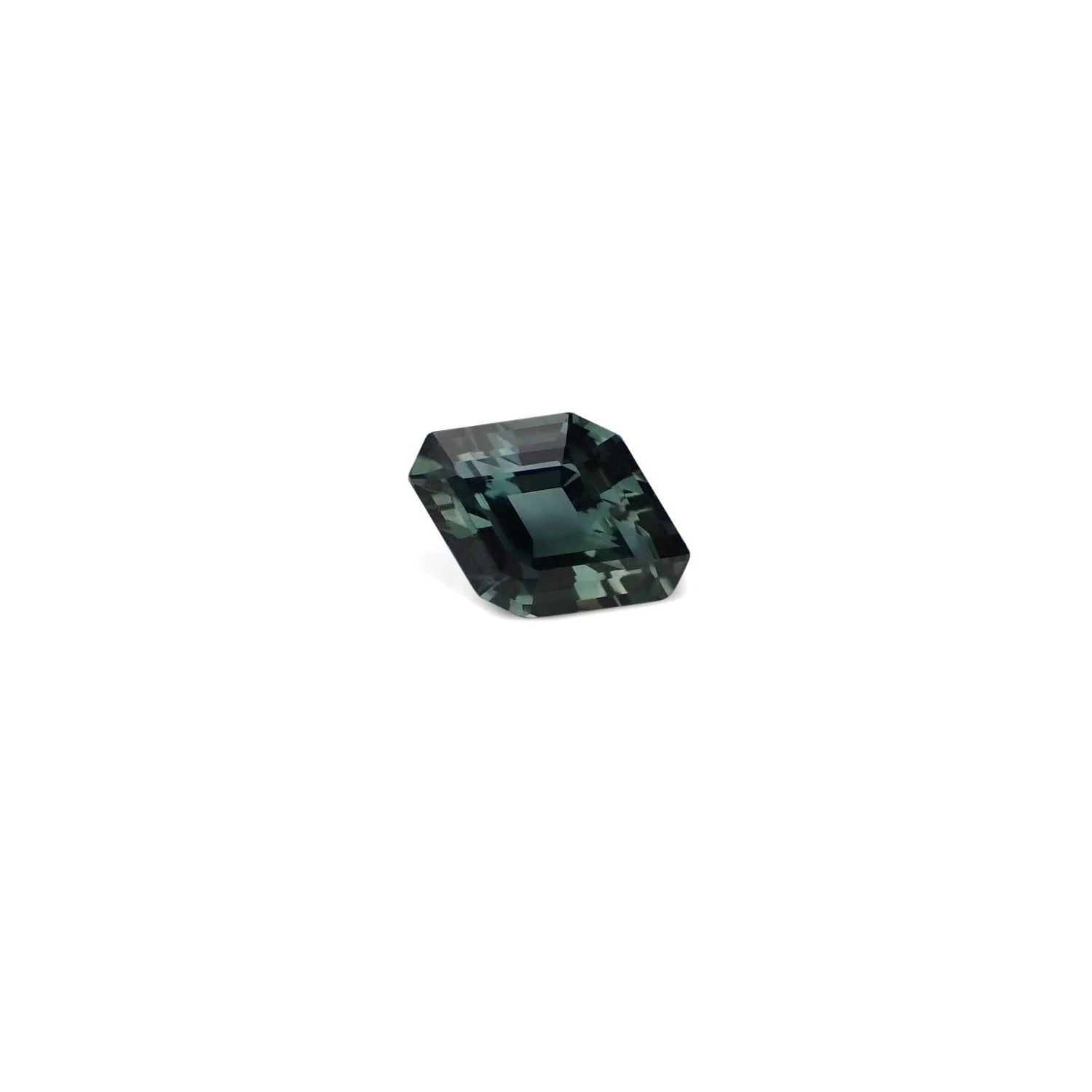
Colours:
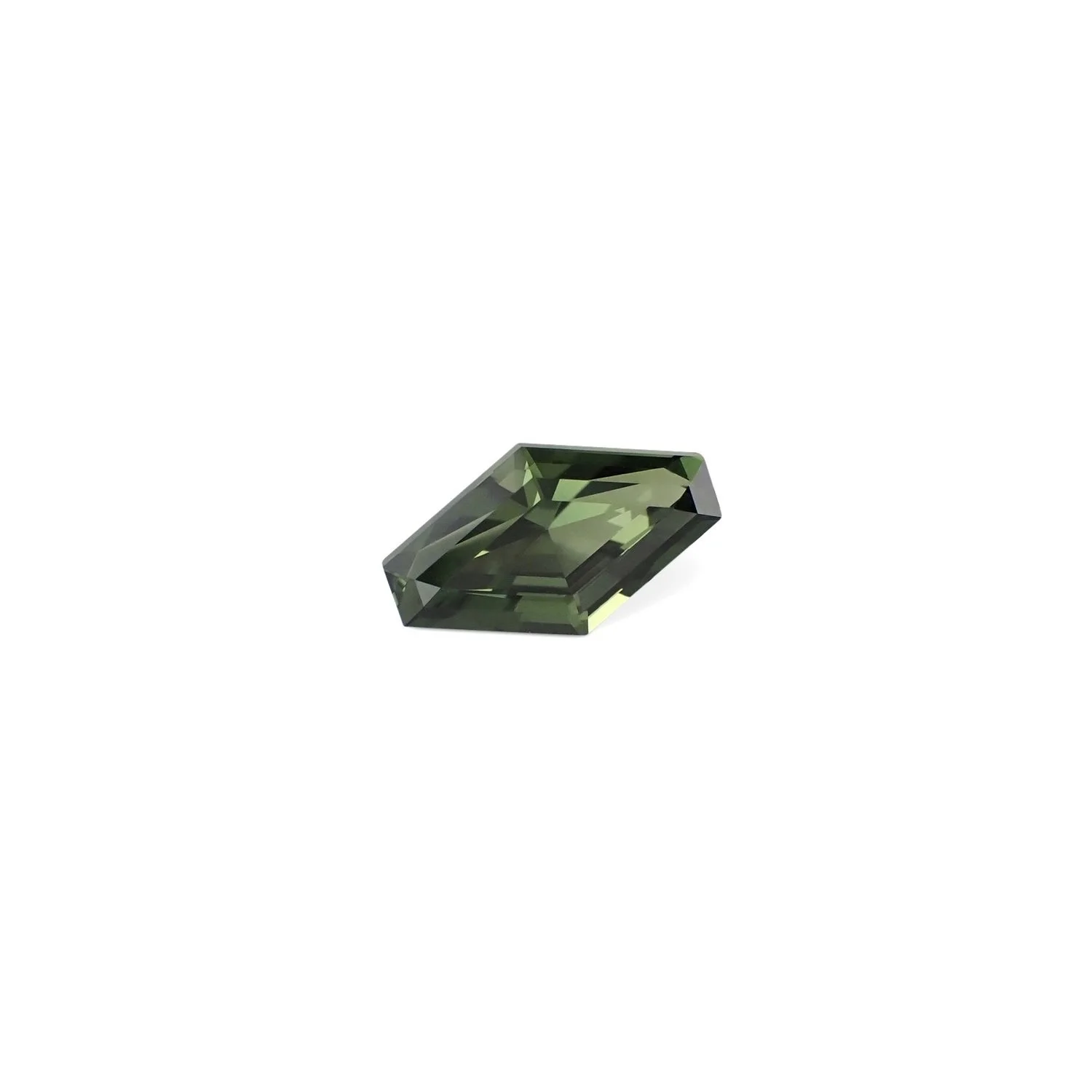
Australian sapphires are known for their diverse range of colours. The most common colours include blue, green, yellow, and various shades of blue-green-yellow (known as "parti sapphires").
Blue sapphires from Australia can range from light to deep blue, and their colour intensity can be influenced by trace elements like iron and titanium.
Green sapphires from Australia can vary from pale green to intense, vivid green. The green colour is often attributed to the presence of iron.
Yellow sapphires from Australia can range from pale yellow to vibrant canary yellow.
Teal Sapphires are very in demand at the moment, with their stunning mermaid blue-green tones.
Parti sapphires are a uniquely Australian variety that combines multiple colours in a single gemstone, often with a mix of blue, green or yellow zones.
Sources:
Many small mining sites are leased and run by local families, who may have been mining for generations. They use a combination of hand held tools for digging and larger machinery for sorting the rough gems from the earth, then prepping them for sale to local and international gem cutters. These small scale situations are about as sustainable and ethical as you can get.
Australia is known for producing sapphires from various locations, including:
New South Wales: The New England region in New South Wales is famous for its high-quality blue sapphires. Inverell, Glen Innes, and the New England area are significant sapphire-producing regions.
Queensland: Queensland is a big producer of sapphires, particularly in areas like the Anakie Gemfields and the Central Queensland gemfields. Queensland sapphires are known for their variety of colours. You might even get a Sapphire from a town called Sapphire!
Victoria: The Eastern Highlands of Victoria have sapphire deposits, with blue and green sapphires being common.
Tasmania: Tasmania has produced unique blue and green sapphires with distinctive colours and character.
Australian sapphires are highly sought after in the jewellery industry due to their excellent quality, variety of colours, and durability. The diversity of colours, including the unique parti sapphires, adds to their appeal, along with their ethical and sustainable sourcing. These exceptional gems were once all exported overseas and not used locally. How outrageous is that?! Thankfully, the blue-black sapphires of your Grandmother’s era aren’t the only Australian sapphires available today. We are spoilt for choice!